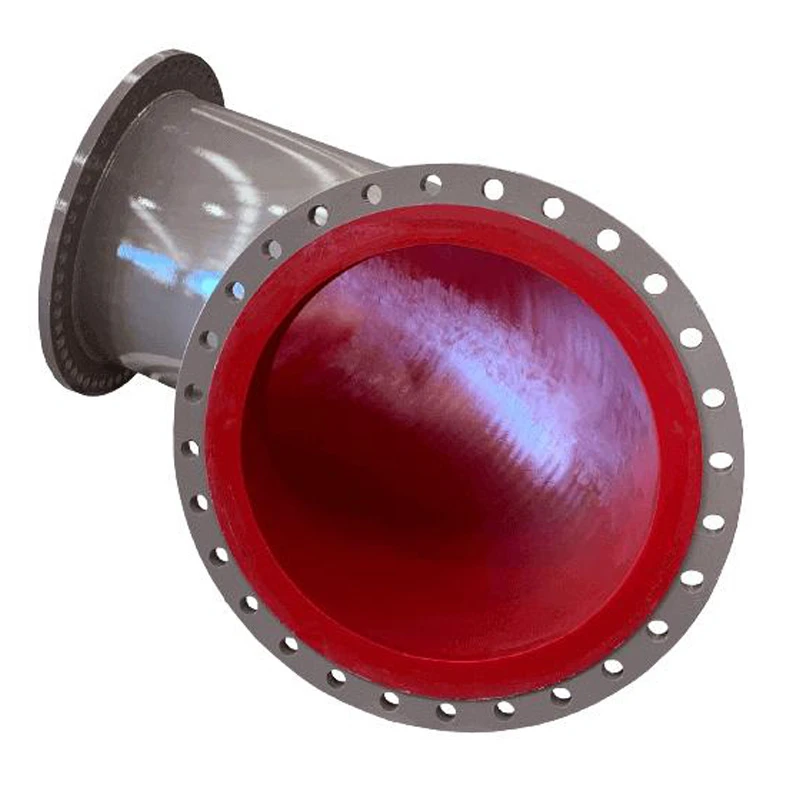
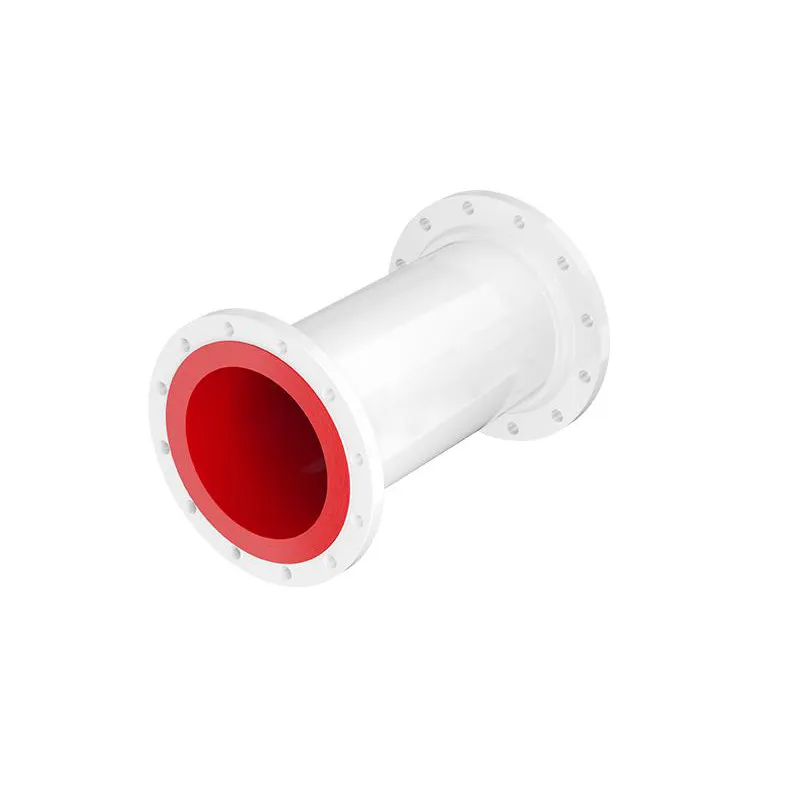
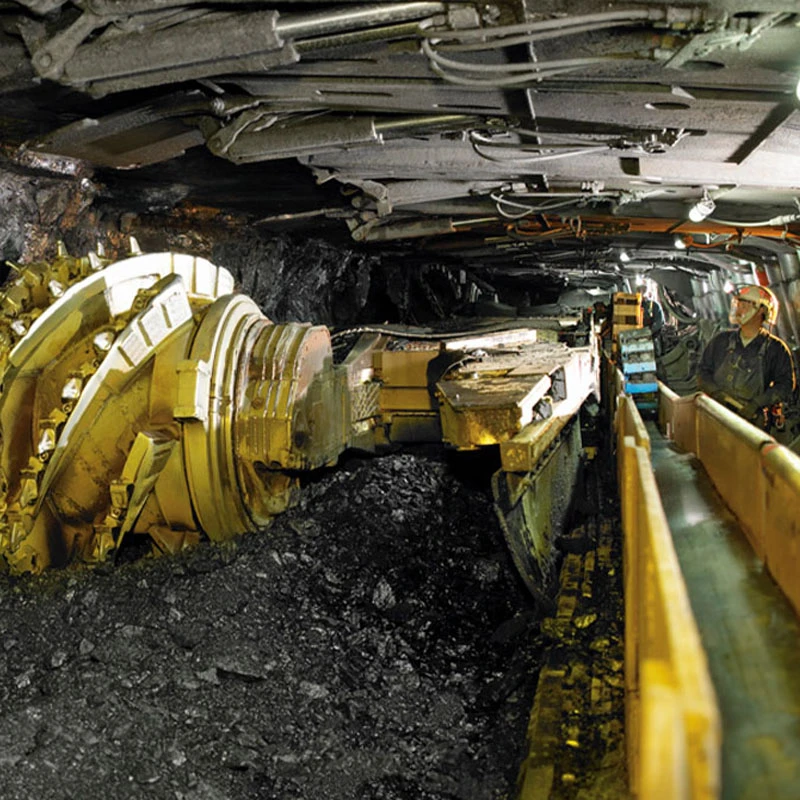
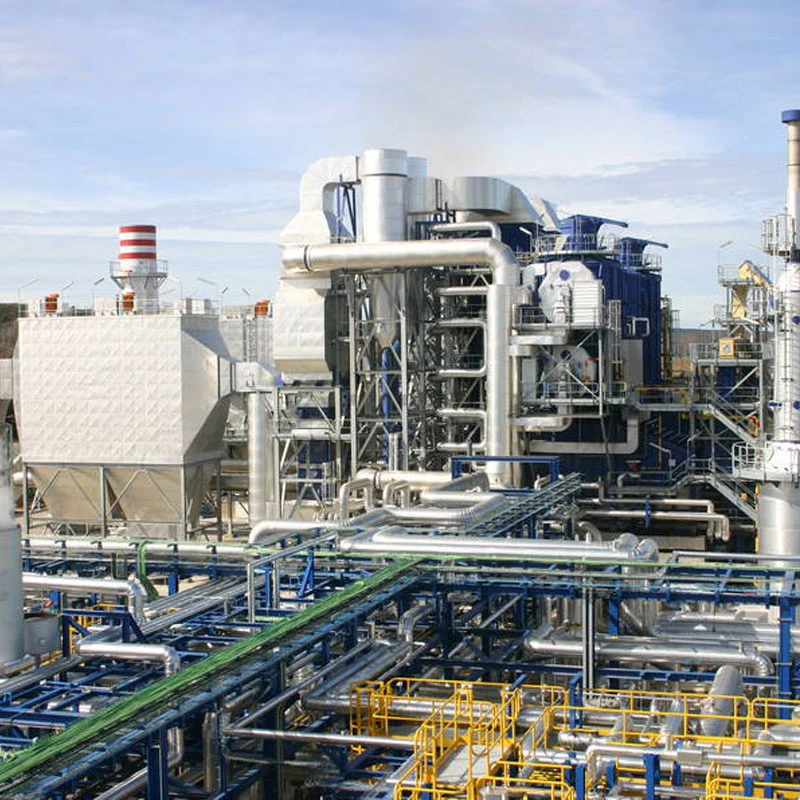
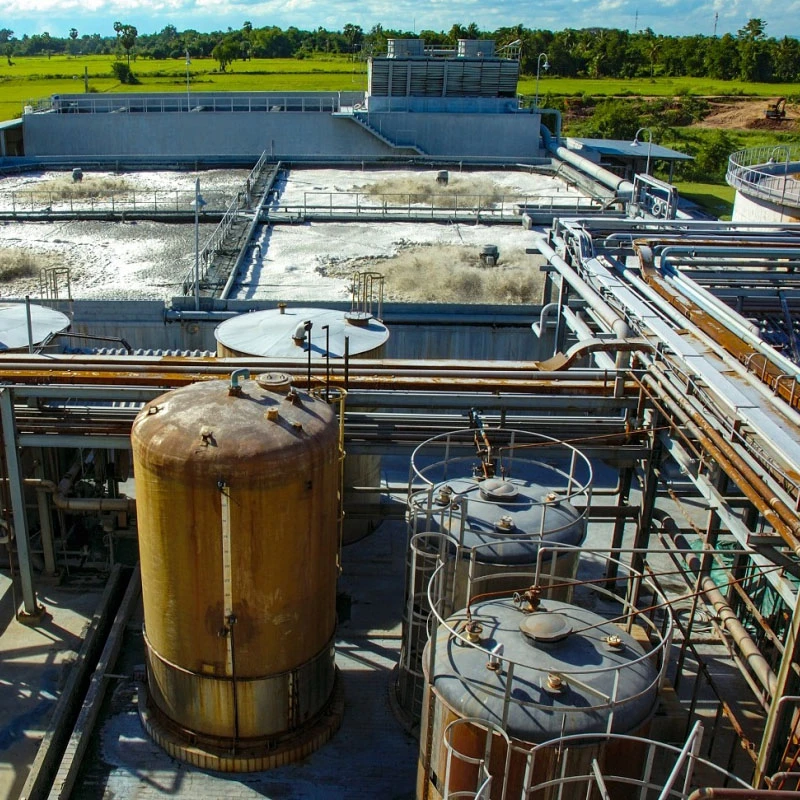
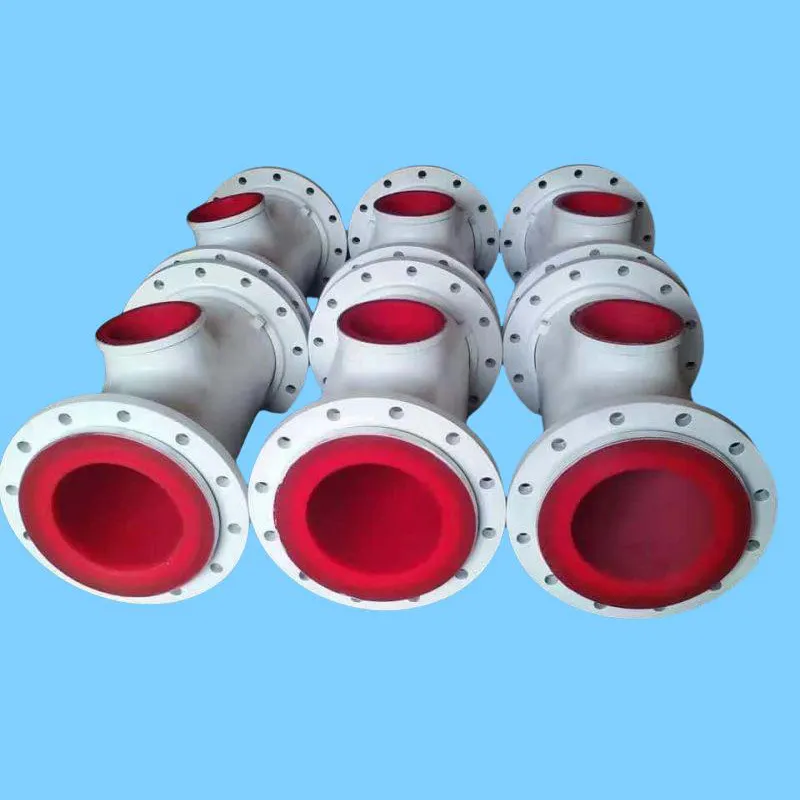
Introduction to Advanced Polyurethane Board Solutions In the demanding landscape of industrial materials, the selection of components that offer superior performance, durability, and cost-effectiveness is paramount. Among these, the Polyurethane board stands out as a versatile and high-performance engineering material. Renowned for its unique combination of mechanical strength, chemical resistance, and excellent elasticity, polyurethane board is indispensable across a multitude of heavy industrial applications. This comprehensive guide delves into its critical aspects, from manufacturing intricacies and technical specifications to diverse application scenarios and the strategic advantages it offers B2B decision-makers. Our aim is to provide an authoritative resource for engineers and procurement professionals seeking optimal material solutions. Industry Trends and Market Outlook for Polyurethane Materials The global market for polyurethane materials continues to expand, driven by increasing demand in construction, automotive, electronics, and various industrial sectors. Projections indicate a significant compound annual growth rate (CAGR), with specific segments like polyurethane elastomers, which include board forms, seeing robust expansion. This growth is fueled by an ongoing shift towards materials that offer enhanced durability, lighter weight, and improved energy efficiency. Environmental regulations are also pushing for more sustainable manufacturing processes and longer-lasting components, where polyurethane often presents a superior life-cycle assessment compared to traditional materials. Innovations in polymer chemistry are leading to new formulations with improved fire resistance, UV stability, and even anti-microbial properties, broadening the application scope of industrial polyurethane products. Key drivers include: **Increased Infrastructure Spending:** Global investments in new and upgraded infrastructure demand robust, long-lasting materials. **Technological Advancements:** Development of high-performance grades for extreme environments. **Focus on Energy Efficiency:** Polyurethane's insulating properties and contribution to lighter-weight components align with energy-saving goals. **Corrosion and Abrasion Resistance:** Essential in harsh industrial settings, reducing maintenance and replacement costs. The market is highly competitive, with a focus on specialized grades and custom solutions tailored to specific industry requirements, ensuring that materials like the Polyurethane board remain at the forefront of engineering innovation. Manufacturing Process of Polyurethane Board The manufacturing of high-quality Polyurethane board involves a sophisticated process that ensures its unique material properties. It primarily starts with the reaction of a polyol and an isocyanate, alongside various additives and catalysts, to achieve specific characteristics. Key Process Steps: Raw Material Preparation: High-grade polyols (e.g., polyether, polyester) and isocyanates (e.g., MDI, TDI) are precisely measured. Additives such as chain extenders, cross-linkers, pigments, UV stabilizers, and catalysts are incorporated to control reaction kinetics and final product properties. The selection of these materials dictates the board's hardness, elasticity, and chemical resistance. Mixing and Blending: The carefully proportioned raw materials are thoroughly mixed in specialized reactors under controlled temperature and pressure. This ensures a homogeneous mixture before the polymerization reaction commences. Casting/Molding: The mixed liquid polyurethane prepolymer is then poured into molds of various dimensions. This casting process is critical for achieving uniform density and desired thickness. Advanced facilities may utilize continuous casting lines for high-volume production, ensuring consistent quality. This process is distinct from forging or CNC machining, which are typically post-processing steps for finished components, though polyurethane boards can be subsequently CNC machined. Curing and Solidification: The poured material undergoes a curing phase, where cross-linking reactions occur, transforming the liquid into a solid elastomer. This stage is meticulously controlled with specific temperature profiles to optimize the material's final mechanical properties, such as tensile strength, tear resistance, and elongation. Post-Curing/Annealing: In some cases, a post-curing or annealing step is applied to further enhance the material's performance by relieving internal stresses and achieving full property development. This can involve heat treatment for several hours. Finishing and Quality Control: Once cured, the boards are demolded, trimmed, and subjected to rigorous quality control. This includes dimensional inspection, hardness testing (Shore A/D), tensile strength, tear strength, and abrasion resistance tests, conforming to standards such as ASTM D412, ASTM D624, and ISO 7619. Our products meet or exceed international standards like ISO 9001 for quality management and relevant ANSI specifications for industrial applications. This meticulous process ensures that each Polyurethane board delivered meets stringent quality and performance requirements, offering an extended service life in target industries such as petrochemical, metallurgy, and water supply & drainage. The emphasis on quality control at every stage ensures consistency and reliability. Fig 1: High-quality Polyurethane board showcasing precision manufacturing. Technical Specifications and Performance Parameters Understanding the technical specifications of Polyurethane board is crucial for its effective deployment in industrial applications. Below is a comprehensive table detailing typical parameters, developed through extensive R&D and field testing, providing data-driven insights for engineers and designers. Typical Polyurethane Board Specification Table Parameter Unit Typical Value Range Test Standard Hardness (Shore A) Shore A 60-95 ASTM D2240 / ISO 7619-1 Tensile Strength MPa 30-60 ASTM D412 / ISO 37 Elongation at Break % 400-700 ASTM D412 / ISO 37 Tear Strength kN/m 50-120 ASTM D624 / ISO 34-1 Abrasion Resistance mm³ (DIN) 20-100 DIN 53516 / ISO 4649 Specific Gravity g/cm³ 1.1-1.25 ASTM D792 / ISO 1183 Operating Temperature Range °C -40 to +80 Internal Testing Chemical Resistance Rating Excellent to Good (Acids, Bases, Oils) ASTM D543 These parameters highlight the robust nature of the material, making it suitable for applications requiring high resilience, wear resistance, and load-bearing capabilities. The ability to customize these parameters within certain ranges offers unparalleled flexibility for specialized industrial requirements. Technical Advantages of Polyurethane Boards The inherent properties of Polyurethane board confer several significant advantages, making it a preferred material over traditional rubber, plastic, or even certain metals in specific industrial contexts. Superior Abrasion Resistance: Polyurethane significantly outperforms rubber and plastic in resisting abrasive wear, extending the service life of components in highly abrasive environments like mining, aggregate processing, and material handling systems. This translates directly into reduced downtime and lower replacement costs. Excellent Chemical Resistance: It exhibits strong resistance to oils, greases, solvents, and many common industrial chemicals, which is crucial for applications in the petrochemical and chemical processing industries. This corrosion resistance ensures structural integrity and performance longevity where other materials would quickly degrade. High Load-Bearing Capacity: Despite its elastic properties, polyurethane possesses high tensile and tear strength, allowing it to withstand heavy loads and impact without permanent deformation, making it ideal for buffers, seals, and structural support in heavy machinery. Impact Resilience and Noise Reduction: Its ability to absorb shocks and vibrations makes it an excellent material for dampening and cushioning applications, contributing to reduced noise levels and extended equipment life, thus potentially achieving energy saving through reduced wear. Wide Hardness Range: Available in a broad spectrum of hardness (Shore A 60 to D 75), polyurethane can be precisely specified for different applications, from soft pads to rigid structural components. Good Electrical Insulating Properties: In certain formulations, polyurethane can offer effective electrical insulation, expanding its utility in electrical and electronic component protection. Cost-Effectiveness over Lifetime: While initial costs might sometimes be higher than conventional materials, the significantly longer service life and reduced maintenance requirements of polyurethane often result in a lower total cost of ownership. These advantages collectively contribute to higher operational efficiency, enhanced safety, and substantial long-term savings for industrial operations. Application Scenarios and Target Industries The versatility of Polyurethane board allows it to address critical challenges across a diverse range of heavy industries, providing durable and high-performance solutions. Mining and Aggregate Processing: Used for screen media, conveyor belt scrapers, chute liners, impact pads, and wear plates. Its exceptional abrasion resistance reduces wear and tear from highly abrasive materials like ore, sand, and gravel, improving operational uptime. Metallurgy and Steel Mills: Employed as roller coverings, stripper plates, bumper pads, and spring components in metal forming and processing equipment. It handles heavy loads, resists cutting, and minimizes damage to delicate metal surfaces, ensuring product quality and equipment longevity. Petrochemical and Chemical Processing: Utilized for seals, gaskets, pipe supports, and pump components due to its superior resistance to various hydrocarbons, acids, and alkalis. This corrosion resistance is vital for preventing leaks and maintaining integrity in harsh chemical environments. Water Supply & Drainage Systems: Found in valve seats, diaphragm seals, scraper blades for clarifiers, and pipeline wear liners. Its resistance to water, mild chemicals, and biological growth ensures long-term performance in municipal and industrial water treatment. Automotive and Heavy Equipment: Used for bushes, suspension components, engine mounts, and protective liners. Its vibration dampening and load-bearing capabilities enhance vehicle performance and durability. General Manufacturing and Material Handling: Applicable in die pads, forming pads, jigs, fixtures, and roller covers for conveyor systems. It offers excellent return on investment through extended life and reduced maintenance. In these scenarios, the key advantages such as energy saving through reduced friction, superior corrosion resistance, and prolonged service life are clearly demonstrated, yielding tangible operational and financial benefits. Customized Solutions for Polyurethane Boards Recognizing that off-the-shelf solutions rarely fit every unique industrial requirement, we specialize in providing highly customized Polyurethane board solutions. Our engineering team works closely with clients to understand specific application challenges and design tailored materials that optimize performance and cost. Customization options include: Hardness Adjustment: Tailoring Shore A or D hardness to meet specific elasticity or rigidity requirements. Specific Chemical Resistance: Formulations can be altered to enhance resistance against particular acids, bases, solvents, or oils prevalent in a client's operating environment. Thermal Stability: Developing grades that perform optimally in higher or lower temperature extremes. Custom Dimensions and Shapes: Manufacturing boards in specific lengths, widths, thicknesses, and even pre-cut or CNC-machined shapes to integrate seamlessly into existing systems. Color and Aesthetic Requirements: While often secondary for industrial applications, color can be matched for branding or safety coding purposes. Additives for Enhanced Properties: Incorporating anti-static agents, flame retardants, or UV stabilizers for specialized performance. Our agile manufacturing capabilities and in-house R&D allow for rapid prototyping and iterative development, ensuring that the final product not only meets but exceeds operational expectations. Vendor Comparison and Selection Criteria Choosing the right supplier for Polyurethane board is a strategic decision that impacts product quality, operational efficiency, and overall project costs. Here's a comparative overview of key factors to consider when evaluating potential vendors: Key Vendor Comparison Factors Factor High-Quality Vendor (Example: Our Company) Typical Vendor (General Market) **Quality Certifications** ISO 9001, ASTM, ANSI compliance. Extensive internal QC. Basic certifications, less rigorous internal testing. **Customization Capabilities** Full-spectrum customization (hardness, chemical resistance, dimensions, special additives). Limited options, primarily standard sizes and grades. **Technical Expertise & Support** Dedicated engineering team, application specialists, post-sales support, 15+ years experience. Basic sales support, limited technical guidance. **Lead Time & Fulfillment** Reliable lead times (e.g., 2-4 weeks for custom, 1-2 weeks for standard), robust supply chain. Variable, often longer for custom orders, less transparent. **Warranty & After-Sales** Comprehensive warranty, responsive issue resolution, clear return policy. Limited warranty, slower response times. **Client Portfolio/References** Proven track record with major industrial clients, readily available case studies. Fewer public references, smaller client base. Our commitment to consistent quality, stringent adherence to ISO/ANSI standards, and a customer-centric approach distinguishes us as a preferred partner for industrial polyurethane solutions. We have successfully served major partners in the petrochemical, mining, and water treatment sectors for over 15 years, building a reputation for reliability and innovation. Application Case Studies: Polyurethane in Action Real-world applications best illustrate the power and versatility of Polyurethane board . Here are a few examples showcasing its impact: Case Study 1: Mining Screen Media Enhancement A large iron ore mine in Western Australia faced persistent issues with premature wear of their steel screen media, leading to frequent replacements and significant production downtime. We provided custom-designed polyurethane screen panels, engineered for high abrasion resistance and flexibility. **Challenge:** Steel screens lasted only 3-4 weeks in highly abrasive iron ore screening. **Solution:** Installation of high-durometer polyurethane screen panels with optimized aperture designs. **Result:** Screen life extended to over 6 months, a 500% improvement. Annual maintenance costs reduced by 30%, and overall throughput increased due to less frequent shutdowns. Customer feedback praised the robust performance and significant operational savings. Case Study 2: Petrochemical Pump Diaphragm Upgrade A major petrochemical facility experienced recurrent failures of rubber diaphragms in their process pumps, handling aggressive hydrocarbon mixtures. The rubber components were prone to chemical degradation and cracking. **Challenge:** Rubber diaphragms failed every 2-3 months due to chemical attack and fatigue. **Solution:** Engineered custom polyurethane diaphragms with specific chemical resistance additives and enhanced flex fatigue properties. **Result:** Diaphragm service life increased to over 18 months, reducing unscheduled maintenance and improving process reliability. The facility reported enhanced safety due to fewer potential leak points. Case Study 3: Water Treatment Scraper Blades A municipal wastewater treatment plant needed more durable scraper blades for their primary clarifiers. Existing HDPE blades would warp and wear quickly, requiring frequent replacement. **Challenge:** HDPE blades deformed and wore out within a year, leading to inefficient sludge removal. **Solution:** Provided robust polyurethane blades offering superior rigidity, abrasion resistance, and chemical stability in wastewater. **Result:** The polyurethane blades demonstrated minimal wear after 3 years of continuous operation, significantly reducing replacement costs and improving the efficiency of sludge removal. The plant manager praised the long-term cost savings and improved operational consistency. Trust and Reliability: Our Commitment Building trust with our B2B partners is at the core of our operations. We ensure reliability through adherence to stringent standards, transparent processes, and robust support systems. Certifications and Quality Assurance Our manufacturing facilities and processes are ISO 9001:2015 certified, affirming our commitment to world-class quality management systems. All Polyurethane board products undergo rigorous testing in accordance with ASTM (American Society for Testing and Materials) and ISO (International Organization for Standardization) standards. We maintain comprehensive test reports for every batch, ensuring full traceability and verified performance data. Our adherence to these authoritative references guarantees that our products consistently meet or exceed industry benchmarks for quality and reliability. Lead Time and Fulfillment We understand the importance of timely delivery in industrial operations. Our standard lead time for regular Polyurethane board stock is typically 1-2 weeks. For custom-engineered solutions, lead times range from 2-4 weeks, depending on complexity and volume, following design approval. We leverage an optimized supply chain and efficient production scheduling to ensure reliable and predictable delivery schedules. Warranty Commitments All our Polyurethane board products come with a comprehensive material and workmanship warranty against defects. Specific warranty periods are detailed in our sales agreements and typically cover performance under intended application conditions. We stand by the quality of our products and are committed to resolving any performance issues promptly and effectively. Customer Support and After-Sales Service Our dedicated customer support team is available to assist with technical queries, order tracking, and post-installation support. We offer expert guidance on material selection, application optimization, and troubleshooting. Our goal is to forge long-term partnerships by providing unparalleled service from initial consultation through the entire lifecycle of our products. Frequently Asked Questions (FAQ) about Polyurethane Boards Q1: What makes Polyurethane board superior to rubber in industrial applications? **A1:** Polyurethane generally offers significantly higher abrasion resistance, greater load-bearing capacity, superior tensile and tear strength, and broader chemical resistance compared to most natural and synthetic rubbers. This translates to longer service life and reduced maintenance in demanding environments. Q2: Can Polyurethane board be used in high-temperature environments? **A2:** Standard polyurethane boards typically have an operating temperature range of -40°C to +80°C. However, specialized high-temperature formulations can be engineered to withstand intermittent exposure to higher temperatures or provide continuous performance in moderately elevated temperatures. Always refer to the product's specific technical data sheet for temperature limits. Q3: Is Polyurethane board resistant to UV radiation and weathering? **A3:** Standard polyurethane can be susceptible to degradation from prolonged UV exposure, leading to discoloration and potential property changes over time. For outdoor applications, we recommend specifying UV-stabilized polyurethane formulations, which incorporate additives to significantly enhance resistance to weathering and UV radiation. Q4: What is the typical service life of Polyurethane board components? **A4:** The service life varies greatly depending on the specific application, operating conditions (e.g., abrasion severity, chemical exposure, temperature), and material grade. However, in most appropriate applications, polyurethane components consistently outlast traditional materials by 3 to 10 times, providing a superior cost-benefit over their lifecycle. Q5: How can I request a custom Polyurethane board solution? **A5:** You can initiate a custom solution request by contacting our sales or engineering team through our website or direct contact information. Please provide detailed information about your application, required dimensions, operating environment, performance criteria, and any specific material properties needed. Our experts will then guide you through the design and manufacturing process. Conclusion The deployment of high-performance Polyurethane board is a strategic decision for industrial operations aiming for enhanced durability, reduced maintenance, and improved overall efficiency. From its meticulously controlled manufacturing process to its outstanding technical advantages and diverse application potential, polyurethane stands as a cornerstone material for modern industry. Our commitment to quality, customization, and comprehensive customer support ensures that partners receive not just a product, but a complete solution tailored to their most demanding requirements. References ASTM International. "Standard Test Methods for Rubber Properties in Tension." ASTM D412. ISO (International Organization for Standardization). "Rubber, vulcanized or thermoplastic — Determination of hardness — Part 1: Durometer method (Shore hardness)." ISO 7619-1. IHS Markit. "Polyurethane Industry Global Report." (Annual market analysis). Plastics Technology. "Guide to Polyurethane Elastomers." (Technical publications). Smith, J. (2018). "Advances in Polyurethane Chemistry and Applications." Journal of Polymer Science, Vol. 56, Issue 3, pp. 201-215.

![Polyurethane Lined Tee Pipe-Hebei Qiaowan Metal|[Abrasion Resistance]&[Corrosion Resistance]](https://www.qwmetal.com/images/7_11740561158.webp "Polyurethane Lined Tee Pipe-Hebei Qiaowan Metal|[Abrasion Resistance]&[Corrosion Resistance]")